Understanding ABCs of Manufactured House Leveling: Ensuring Safety and Comfort


As far as providing a pleasant environment and balance in your mobile home, one critical maintenance tasks is leveling. How to level a mobile home fail to recognize the importance of this process, which can lead not just to discomfort but also to compromised integrity over time. In this guide, we will guide you through the ABCs of mobile home leveling, providing you with the insight and resources necessary for a successful DIY project.
Grasping why your mobile home needs leveling is the first step to maintaining its condition. An improperly leveled mobile home can cause a variety of problems, ranging from frozen doors and windows to more serious structural problems. By learning how to level your home correctly, you will merely enhance your living conditions but also preserve your home in the long run. This guide will take you through each phase through the leveling process, covering signs your home may be uneven, necessary tools needed, and preventive strategies to maintain a level home over time.
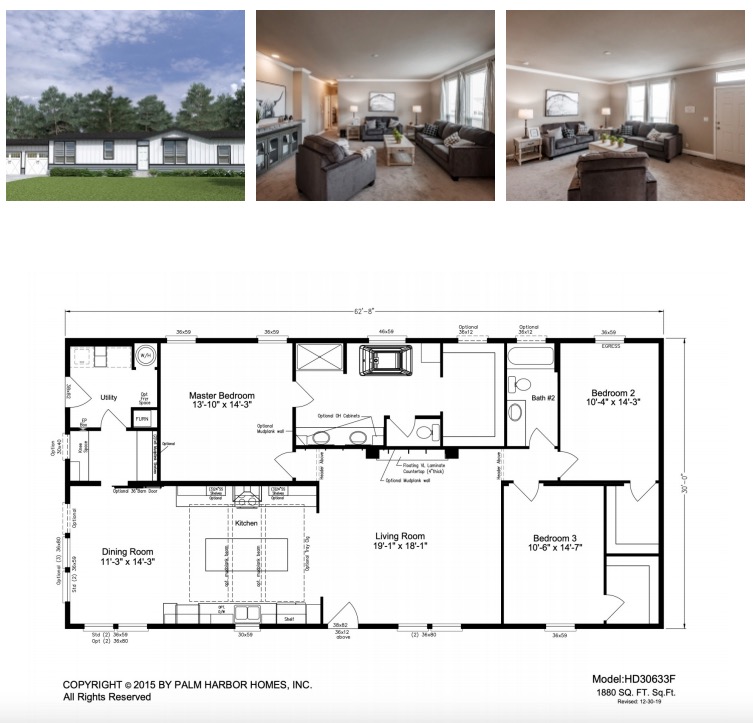
Understanding Manufactured Home Stabilization
Stabilizing a mobile home is crucial for its stability, safety, and convenience. Over time, factors such as soil erosion, settling, or weather factors can cause a manufactured home to become uneven. This can lead to various problems, including damage to the structure, door/window aligning issues, and even expensive fixes. Understanding the importance of maintaining a balanced home is the first step in protecting your property and ensuring a pleasant home life.
To stabilize a mobile home, it is important to know about its base. Most manufactured homes are supported by a series of piers or braces that distribute weight uniformly. If any of these braces move or settle unevenly, it can put the entire structure out of balance. Regular checks and adequate upkeep are necessary to spot any signs of movement or tilting. Homeowners should be mindful of the specific signals that their mobile home may need leveling, which often include uneven floors and noticeable spaces between the walls and the ground.
Furthermore, understanding the methods and tools required for leveling a mobile home can empower homeowners to handle this job themselves. By familiarizing yourself with the necessary tools, such as lifting jacks, blocks, and levels, you can successfully address and prevent unevenness. Ensuring that your manufactured home is balanced not only improves your comfort but also preserves its worth over time, making it an important part of responsible homeownership.
Fundamental Tools and Techniques
To level a manufactured home effectively, you will need a number of necessary utensils that can make the process more manageable and more productive. First, a high-quality level is essential. While a traditional bubble level can serve, consider using a laser level for enhanced accuracy, especially on more expansive homes. Additionally, a liquid level can be very beneficial for checking elevation across greater distances. You will also need jack stands, which are important for lifting your mobile home, and you'll require sturdy leveling blocks or piers to support your mobile home once it is elevated to the preferred height.
In conjunction with the right tools, grasping various techniques is essential to a successful leveling process. Start by inspecting your mobile home and identifying any signs of unevenness. Check the ground, entrances, and openings for positioning. Once identified, you can strategically place the jacks and leveling blocks. Always begin with the edge jacks and adjust slowly, ensuring that you are monitoring the leveling instrument closely. It’s critical to work methodically and to double-check your levels often as you proceed.
Lastly, security should always be a top priority while leveling your mobile home. Ensure that jacks are placed on solid, stable ground and do not exceed their weight limit. Keep the work area uncluttered and avoid working unaccompanied when possible. After raising your home and placing leveling supports underneath, ensure that all points are steady and safe before using the structure regularly. Taking these steps will help ensure that your mobile home is securely leveled and remains comfortable for many years to come.
Care and Problem Solving
Regular upkeep is crucial to ensure that your mobile home stays level over time. After leveling, it is crucial to regularly inspect for signs of movement or sinking. Homeowners should inspect the foundation and structural elements, looking for signs of wear or harm. Routine assessments, such as examining doors and windows for jammed operation or gaps, can help catch issues early. Plan to conduct these checks at least twice a year, or more often if you experience heavy rainfall or freeze-thaw cycles that could affect the soil beneath your home.
If you see uneven floors or additional indicators that your mobile home may be unbalanced, take prompt measures. Start by confirming the level of your home using a hydraulic or laser level. If adjustments are necessary, consult your DIY guide and make sure you have the appropriate tools on hand. In some situations, minor adjustments can correct minor leveling issues. However, it is crucial to recognize when a situation exceeds your expertise and needs professional assistance to prevent further problems.
Always be proactive about maintaining the integrity of your mobile home’s leveling. After making any required adjustments, enhance the stability of your home by supporting weak spots in the foundation. Keep an eye on soil conditions, as shifting or settling can be due to poor drainage or erosion. Implementing a seasonal checklist for maintenance can aid guard against common issues, ensuring your home remains sturdy and comfortable for years to come.
Lonestar Mobile Home Leveling & Skirting
276 County Rd 1700
Clifton, TX 76634
(254)266-5369